
What Is Access Control And What Exactly Do You Need To Know About The Same?
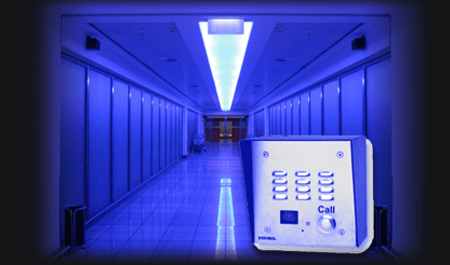
Access control is a fundamental security concept that determines who can access what resources and under what conditions. It ensures that only authorized users, systems, or processes can view, modify, or use specific data, applications, or physical assets. Accelerated Technologies provides access control in Palm Beach, Boynton Beach, Jupiter, FL, Palm Beach Gardens, West Palm Beach, Port St. Lucie and nearby regions.
In both physical and digital environments, access control helps protect sensitive information, maintain privacy, and reduce the risk of unauthorized actions.
At its core, access control answers three key questions: Who are you? (authentication), What are you allowed to do? (authorization), and was your action recorded? (accountability). Authentication verifies identity using methods such as passwords, biometrics, or multi-factor authentication (MFA). Authorization then defines permissions—what actions an authenticated user can perform. Accountability is achieved through logging and monitoring activities.
There are several common access control models you should know. Discretionary Access Control (DAC) allows resource owners to decide who gets access. Mandatory Access Control (MAC) enforces strict policies set by a central authority, often used in government or military systems. Role-Based Access Control (RBAC) assigns permissions based on user roles, making it scalable for organizations. Attribute-Based Access Control (ABAC) uses attributes such as user location, time, or device type to make dynamic access decisions.
You should also understand principles and best practices related to access control. The principle of least privilege ensures users have only the minimum access required to perform their tasks. Separation of duties reduces fraud and errors by splitting critical tasks among multiple users. Regular access reviews, timely revocation of permissions, and audit logging are essential for maintaining security.
Finally, access control is not limited to IT systems. It applies to physical security (ID cards, locks, biometric scanners), network security (firewalls, VPNs), and cloud environments (identity and access management systems). Knowing how access control works, its models, and best practices is crucial for protecting assets, ensuring compliance, and maintaining trust in any organization.
If you have any questions, please do not hesitate to call us.