
Your office’s network cabling is a lot like the plumbing behind your walls. When it’s working well, nobody thinks about it. When it isn’t, everything grinds to a halt. The good news is that cabling problems usually give you warning signs before things get truly bad, and recognizing those signs early can save your business real time and money. If you’re running operations anywhere from Jupiter to Port St. Lucie, here’s how to tell whether your cabling infrastructure is due for a closer look.
Slow or Unstable Network Performance
This is usually the first thing people notice. Calls drop, file transfers crawl, video conferencing stutters, and everyone quietly blames the internet provider. But the culprit is often the cabling itself. Older Cat 5 cable, for example, simply wasn’t built to handle the bandwidth demands that modern business applications put on a network. If your team has grown, added more devices, or moved to cloud-based software since your cabling was last installed, the infrastructure underneath may no longer be keeping up.
We see this regularly with businesses in West Palm Beach and Palm Beach Gardens that added staff or upgraded their phone systems without revisiting the cabling that supports everything. A structured cabling assessment can tell you pretty quickly whether you’re running on outdated cable that’s holding your whole operation back.
Your Cabling Was Installed During a Previous Renovation or Buildout
It’s worth knowing roughly when your cabling was put in and what standard it was built to. Cat 5 cabling, which was common in office buildouts through the early 2000s, has real limitations compared to Cat 6, which supports higher speeds and handles interference better over longer runs. If your office hasn’t had a cabling upgrade in fifteen or more years, chances are the infrastructure doesn’t reflect how your business actually operates today.
We’ve been doing this since 1999, and we’ve walked through plenty of offices in Stuart and surrounding South Florida areas where the cabling was a patchwork of whatever had been added over the years, with no real plan behind it. That kind of setup might technically function, but it creates problems that compound over time.
You’re Adding Locations, Employees, or New Technology
Growth is a great trigger point to reassess your cabling. If you’re expanding into a new space, bringing on more employees, adding security cameras, or installing a VoIP or hosted PBX phone system, your cabling needs to support all of that from the ground up. Trying to layer new technology onto infrastructure that wasn’t built for it is one of the most common reasons businesses end up with ongoing tech headaches.
For multi-location businesses in particular, consistent cabling standards across sites make a significant difference in how reliably everything connects and how easy it is to troubleshoot problems down the road.
You’re Seeing Physical Signs of Wear or Disorganization
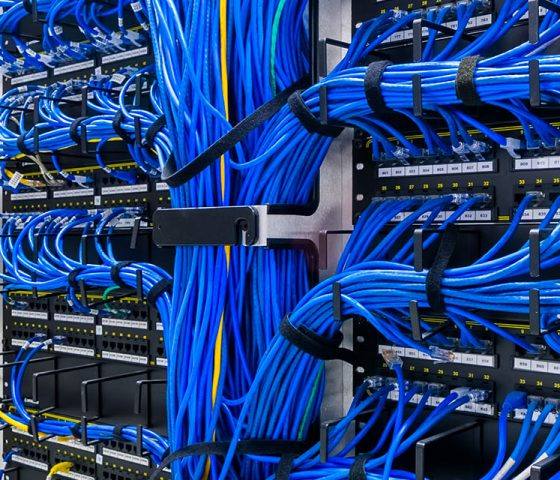
Take a look at your server room or network closet. If cables are tangled, unlabeled, or running in ways that don’t make logical sense, that’s a sign that work was done reactively rather than with a plan. Physical damage, kinks, or cable runs that are too long or improperly secured can degrade signal quality even when the cable type itself is appropriate.
We do all our own installation work, no subcontractors, so every job we complete in Jupiter and the surrounding South Florida areas is handled by our own experienced technicians from start to finish. That means consistent standards and someone accountable if anything ever needs attention later.
Your Cabling Can’t Support Your Security or Access Control Systems
Modern security cameras and door access control systems rely on a solid low-voltage cabling foundation. If your infrastructure wasn’t designed with those systems in mind, you may run into limitations when trying to expand coverage or add new access points. This is an area where the cabling and the technology on top of it really have to be planned together.
Businesses in areas like Port St. Lucie and Stuart that are adding security systems sometimes discover mid-project that the existing cabling won’t support what they need, which adds cost and delays. Getting a professional assessment before you start is always a smarter move.
What to Do Next
If any of this sounds familiar, it’s worth having someone walk through your current setup and give you an honest assessment. We’ve helped hundreds of South Florida businesses sort out their cabling, from straightforward upgrades to complete structured cabling installations for new office spaces. There’s no pressure and no guesswork involved. Give us a call or drop us an email and we’re happy to talk through what you’re dealing with and point you in the right direction.